Understanding Fragrance Concentrations: EDP vs Parfum (and Extrait)

Updated: Sep 28
Selecting the right fragrance begins with understanding its strength, known as concentration: the proportion of perfume oil in the alcohol (or water) base. Concentration shapes both the opening of a fragrance and its longevity on the skin.
Whether you are exploring our men's fragrances or choosing a gift, here is how each concentration we carry behaves on the skin:
Eau de Parfum (EDP): With its balanced concentration, an EDP reveals richer heart notes as the top notes fade and usually lasts throughout the day without filling the room.
Parfum: Deeper and more concentrated than an EDP, it sits closer to the skin, and many customers report that it lasts longer.
Extrait de Parfum: The highest concentration we carry. With less alcohol, it evaporates more slowly, and it wears close to the skin, leaving a warm, intimate sillage, or scent trail.
Concentration | Typical perfume oil | How it wears | Best for |
Eau de Parfum (EDP) | About 15% to 20% | Balanced, with a steady scent trail | Everyday wear, from day into evening |
Parfum | About 20% to 30% | Richer, and closer to the skin | Evenings and cooler weather |
Extrait de Parfum | About 25% to 40% | The most intense, and the closest to the skin | Special occasions and personal luxury |
These ranges are typical. Each house sets its own.
A higher concentration does not simply mean a louder scent. Parfum and Extrait often sit closer to the skin than an EDP, drawing their strength from depth and longevity rather than projection. The notes stay the same: concentration changes the strength of a fragrance, not its recipe. You can look up the concentration and notes of most fragrances on Fragrantica.
Popular Scent Families in Eau de Parfum for Men
An Eau de Parfum unfolds in stages over several hours. Perfumers compose it as a pyramid: it opens with light top notes, moves into the heart, and settles into the base, its longest-lasting layer.
Two families are especially popular in men's fragrances: warm woody and amber scents, and fresh aromatic ones.
Woody and Amber Perfume for Men
Woody and amber fragrances feel warm, deep, and smooth, built on a foundation of rich resins, seeds, and woods. The key materials in this family include:
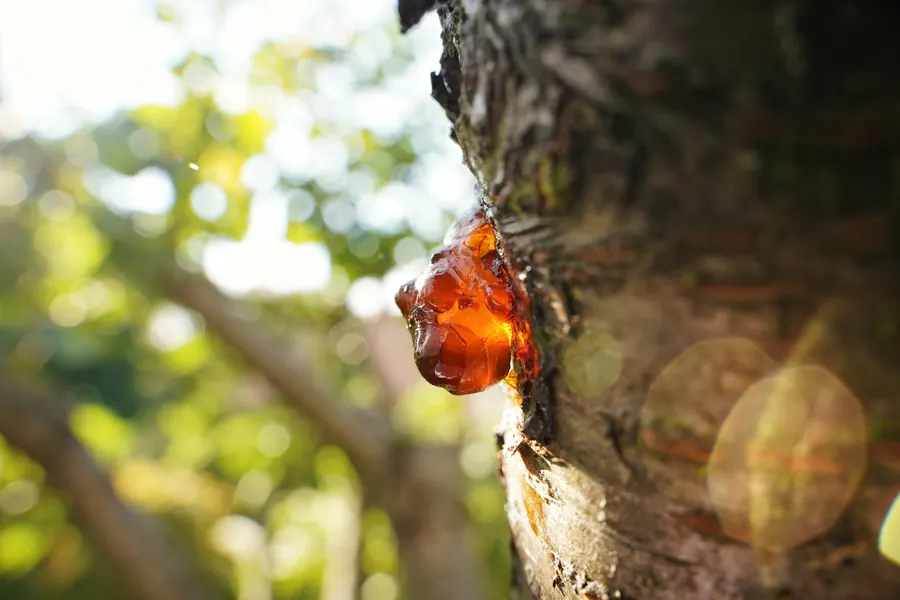
Benzoin: A sweet resin from the bark of the Styrax tree, warm and faintly reminiscent of vanilla.
Tonka bean: The seed of the Dipteryx odorata tree, with a scent that evokes toasted almond, hay, and warm tobacco.
Cedarwood and sandalwood: Two classic woods, with dry cedar recalling pencil shavings and sandalwood feeling creamy and soft.
Many enthusiasts gravitate toward these richer compositions for evening occasions or cooler months. If you are drawn to bold scents that make a strong impression, see our Top 6 Ultimate Bad Boy Fragrances. Niche houses such as Matiere Premiere, Marc-Antoine Barrois, and Scents of Wood excel at this style.
Fresh and Aromatic Perfume for Men
Fresh and aromatic fragrances feel clean, bright, and full of energy. Older fresh formulas often faded quickly, but an Eau de Parfum in this style anchors its bright opening to a clean, lasting base.
Classic notes in the aromatic style include:
Lavender: Clean, herbal, and slightly sweet, it is the main note of the classic fougère style, a blend built on lavender, herbs, and woods.
Mint and basil: Green herbs that feel crisp and cool.
Bergamot and other citrus: Bright notes that give an instant lift.
These fragrances move easily from workdays to weekends and sunny gatherings, and our guide to the Best Summer Fragrances for Men has more ideas for hot weather. Independent houses like Essential Parfums, Laboratorio Olfattivo, and Une Nuit Nomade make beautiful clean, green fragrances.
How to Test and Compare Fragrances
Evaluating a niche fragrance takes time. Many perfumers work with natural materials and layered accords, so a composition can evolve considerably over several hours.
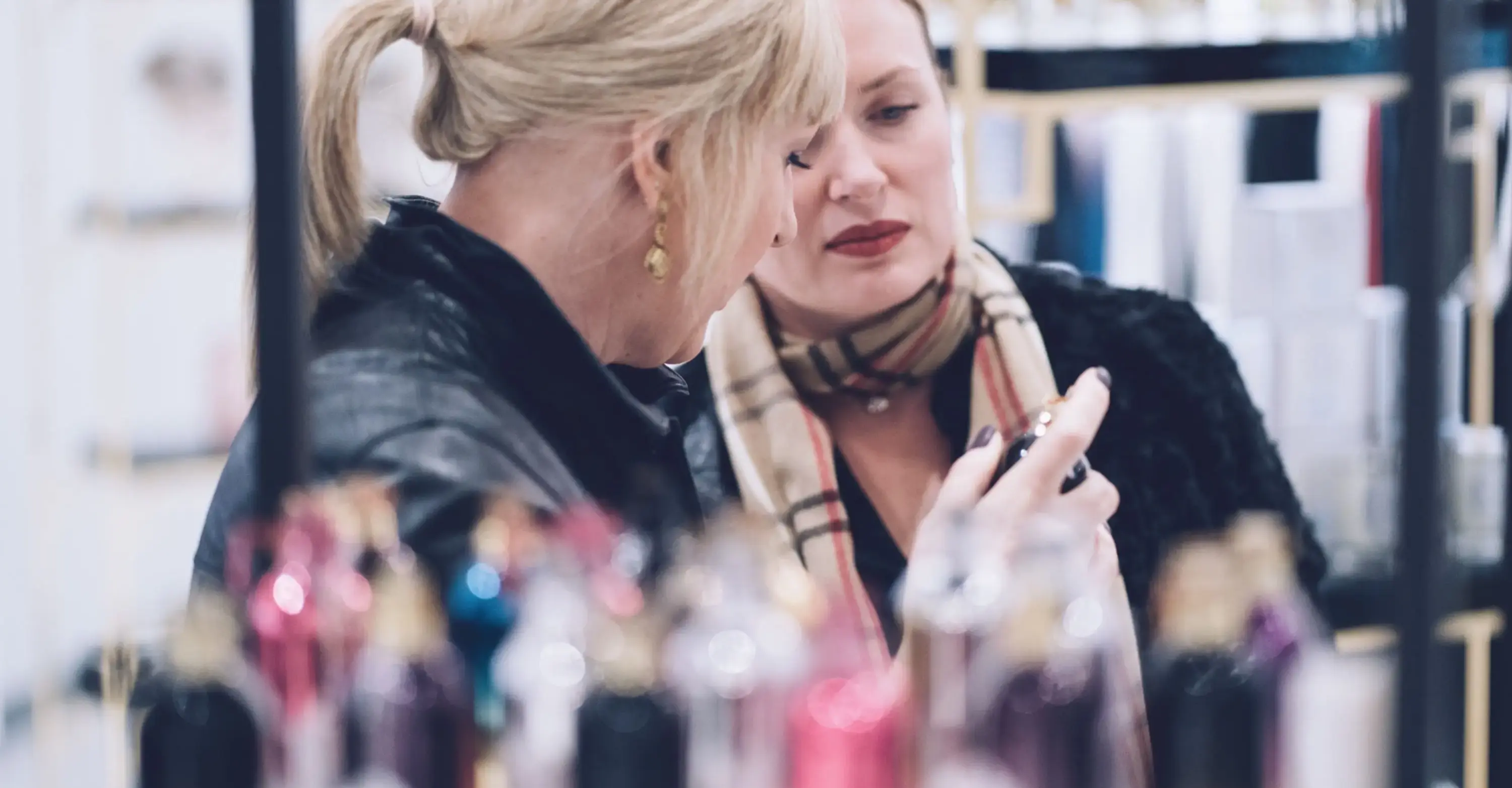
When testing fragrances from houses like Xerjoff, Mind Games, Maison Crivelli, and Nicolaï, keep these tips in mind:
Test on skin, not just paper. Paper blotters are fine for a first impression, but they lack the warmth, natural oils, and chemistry of your skin, so always try the fragrance on yourself too.
Follow the full development. Resist the urge to judge a fragrance within the first minute. Note how it smells at the opening (5 minutes), then the heart (30 minutes to 2 hours), and the final dry-down (4 to 8 hours).
Notice it as you move. Wear it in different settings, since heat, humidity, and moving air all change how you perceive the fragrance.
We always recommend sampling several options at your own pace, and our curated Discovery Sets let you compare different styles at home. A great place to start is the Best Sellers Discovery Box for Him, which brings together popular fragrances from several scent families for a side-by-side comparison.
How to Apply Fragrance So It Lasts
Even the finest fragrance needs good application technique. Maximizing wear time and projection comes down to skin preparation and strategic placement.
Moisturize first: Fragrance molecules stick poorly to dry skin and evaporate faster, so apply an unscented lotion immediately after showering, then spray.
Spray your pulse points: Warmth helps a fragrance unfold, so target areas where blood vessels run close to the skin: the base of the neck, behind the ears, and the inner wrists.
Do not rub: Rubbing your skin creates friction that can crush the top notes and accelerate evaporation, so spray and let the fragrance dry naturally.
Layer with body care: Pairing your fragrance with soaps or moisturizers from our body and hand care collection can help your scent stay consistent throughout the day.
Keep the sprays in check: Two or three sprays are usually enough for the day without overwhelming the people around you.
Frequently Asked Questions About Men's Eau de Parfum
How long does an Eau de Parfum last on the skin?
Longevity depends on your skin, the weather, and the base notes, though many customers report that an Eau de Parfum stays noticeable for 6 to 10 hours. Compositions rich in resins, amber, and woods tend to last the longest, while lighter citrus blends may fade sooner.
What is the difference between Eau de Parfum, Parfum and Extrait?
The main difference is the proportion of perfume oil: an Eau de Parfum usually has about 15% to 20%, a Parfum more, and an Extrait the most. The notes stay the same, but higher concentrations tend to sit closer to the skin, feel richer, and last longer.
How many sprays of Eau de Parfum should I use?
For most occasions, two or three sprays are ideal: one on the upper chest or base of the throat, and one on each wrist or behind each ear. With an intense amber or woody fragrance for an evening out, start with two.
Find Your Signature Eau de Parfum
Finding your signature Eau de Parfum is a personal and rewarding pursuit. Whether you love the warmth of amber and tonka bean or prefer fresh herbs and woods, niche perfume offers creativity and quality that mass-market scents rarely match.
At La Parfumerie, we choose authentic fragrances from some of the best independent perfume houses in the world, including Fugazzi, Maison Crivelli, Christian Provenzano, Mancera, Sospiro, and Orto Parisi. Christian Provenzano, in particular, can be difficult to find. As an authorized retailer, we buy directly from the houses and their official distributors.
If you live in Raleigh or the Research Triangle, visit our boutique at Crabtree Valley Mall for a personalized perfume consultation. You can also shop our full selection of men's fragrances online.


Comments